Summary
The reported removal of Nicolás Maduro marks a major geopolitical development, but markets are focused less on politics and more on energy implications. Crude oil is likely to see near-term volatility as futures reopen, while energy equities remain supported by strong cash flows and long-term supply constraints. Venezuela’s oil infrastructure will take years to rebuild, meaning production increases won’t happen overnight. Despite uncertainty around regime stability, U.S. energy majors remain resilient, keeping the broader energy thesis intact.
Economic Data
📚 Deep Dive 📚
Venezuela Dictator Maduro Apprehended
What Markets Care About Next
Headlines are reporting that Venezuelan leader Nicolás Maduro has been removed from power following a successful U.S. military operation last night. While the broader geopolitical implications will take time to unfold, markets tend to focus on what changes immediately — and right now, that focus is squarely on energy.
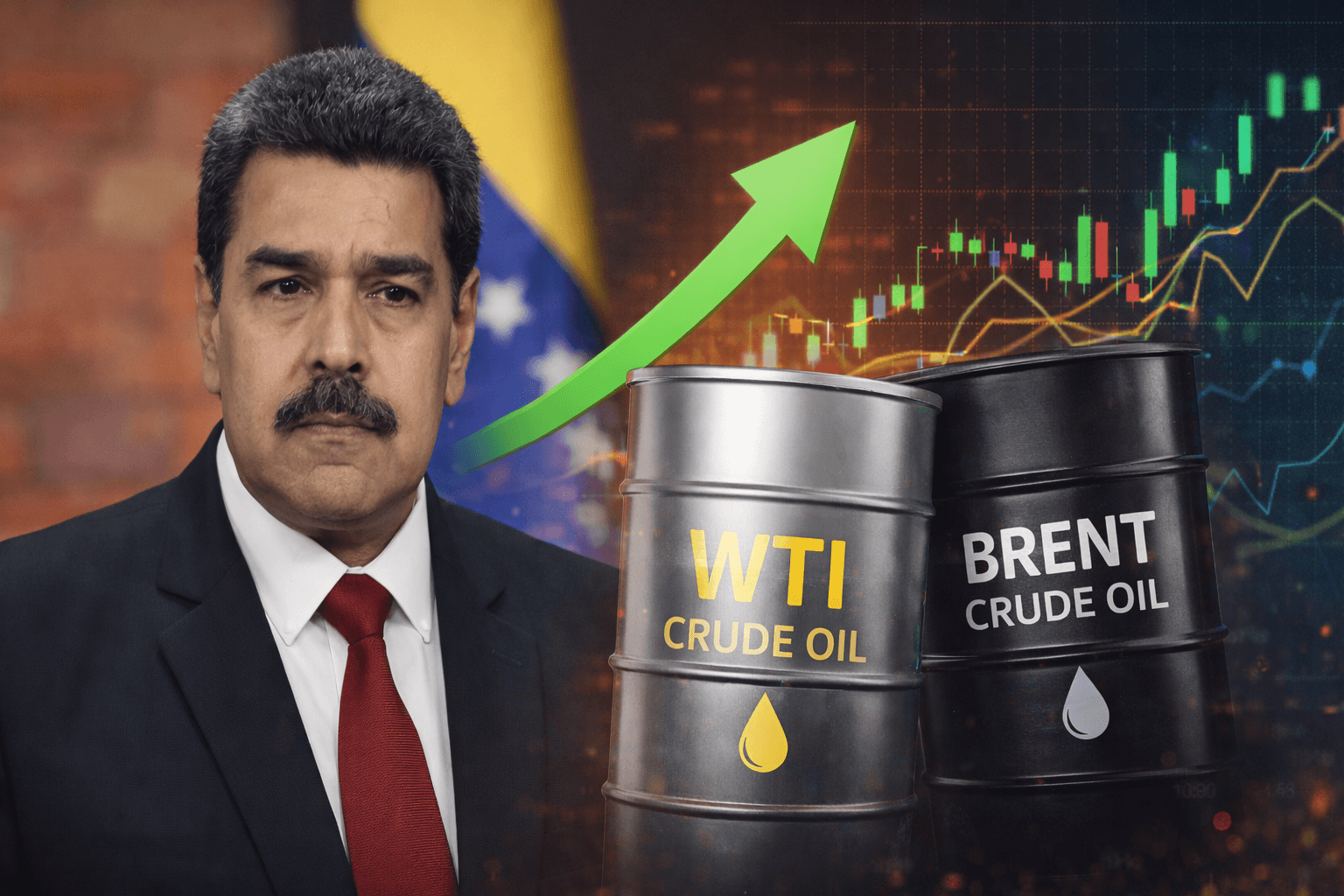
The First Market to Watch: Crude Oil
When geopolitical events break, crude oil is almost always the first asset to react. It’s important to remember that there are two primary oil benchmarks traded globally:
- Brent crude — the international benchmark, more sensitive to global geopolitical risk
- WTI (West Texas Intermediate) — the U.S. benchmark, more sensitive to domestic supply and refining dynamics
As futures reopen Sunday evening at 6:00 PM EST, traders should expect headline-driven volatility. Any perceived disruption — or potential expansion — of supply can cause sharp initial moves.
Key reminder:
Do not chase the first move at the Sunday open. Liquidity is thin, and algorithmic trading driven by headlines often creates exaggerated price swings that reverse once real volume returns. This is not an environment where fighting machines makes sense.
Energy Stocks: Does the Thesis Change?
Short answer: no.
Energy stocks remain one of our preferred value rotations into 2026. Many of these companies are still inexpensive relative to the broader market, generate strong free cash flow, and benefit from diversified global operations.
- Exxon Mobil remains one of our Top 10 Stocks for 2026. Nothing about this headline changes our longer-term view.
- Chevron is particularly interesting given its historical exposure to Venezuelan assets.
A shift away from a socialist dictatorship toward a more market-friendly regime could be a long-term positive for companies operating in Venezuela — especially those capable of refining heavier, dirtier crude, which Venezuela produces in abundance.
The Critical Caveat: Regime Change ≠ Stability
This is where nuance matters.
There is no guarantee that removing a regime leads to immediate stability or economic normalization. History offers a wide range of outcomes:
- Best-case scenario: Venezuela follows a path similar to Panama after Manuel Noriega — where regime change ultimately led to improved governance, capital inflows, and long-term economic recovery.
- Worst-case scenario: Venezuela resembles Iraq after Saddam Hussein — where prolonged instability, internal conflict, and uncertainty outweighed any short-term economic benefit.
For now, markets will price uncertainty, not outcomes.
Broader Geopolitical Ripples
Venezuela is a member of OPEC and has maintained close ties with countries often at odds with U.S. interests. A high-profile intervention raises legitimate questions:
- Does this embolden China regarding Taiwan?
- Does it encourage Russia to escalate actions in Ukraine?
It’s too early to draw conclusions — but it’s reasonable to acknowledge the second-order risks markets may begin to consider.
The Bottom Line
Despite the dramatic headlines, our energy thesis remains intact.
- Venezuela’s oil infrastructure has been underinvested for years — meaning any production improvement would take time, not weeks.
- U.S. energy majors are diversified, resilient, and capable of benefiting even in lower crude price environments.
- Crude prices near $58 per barrel can still support rising energy equities if margins, refining economics, and asset values improve.
In the near term, expect volatility. In the medium to long term, energy remains one of the most compelling value areas in the market — with or without Venezuela.
As always: don’t trade headlines — trade structure, confirmation, and risk.
Checkout our Top 10 Stocks of 2026 here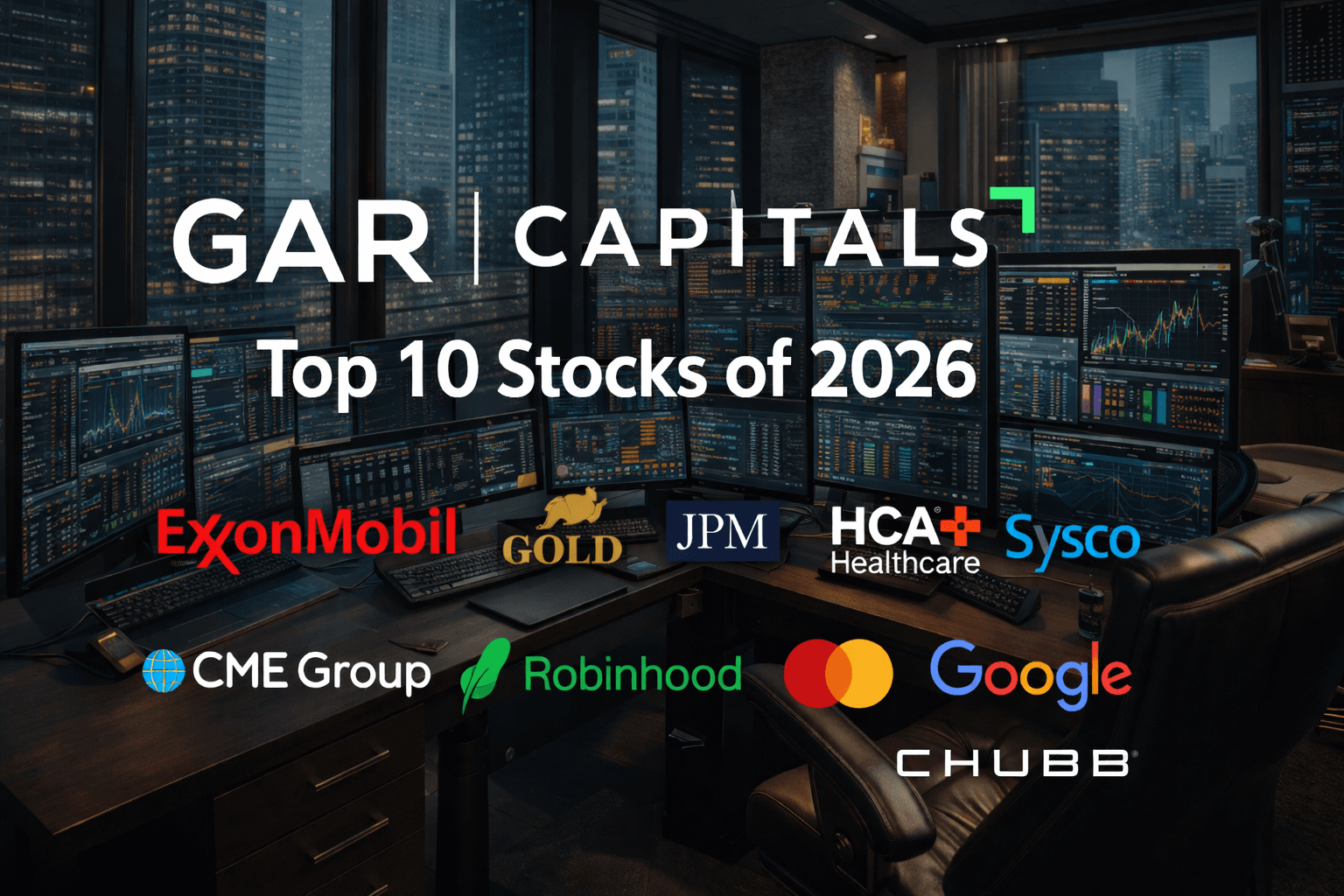
Our Services for the New Year 2026:
Silver Membership
Options entries only + community access (best for beginners who want simple, clean alerts).Gold Membership
Full alerts experience (options + futures), plus deeper community channels and ongoing market coverage.Lifetime Legacy Membership
Lifetime access to our full signals ecosystem + courses + premium community + long-term value for serious traders.
Ready to join? View Pricing & Memberships